

By Ebunoluwa Orebiyi
December is usually filled with excitement. Music in the air, wedding plans, laughter, and long journeys that feel lighter because joy is waiting at the destination. For my family, the road to Jos was meant to lead us to the celebration of my brother’s wedding, a moment we had prayed for and planned for. But somewhere between expectation and arrival, our journey paused in uncertainty, reminding us how quickly joy can turn into fear, and how faith often shows up when we least expect it.
We set out early, my parents, my sister, and I, hearts full and minds focused on the wedding ahead. Clothes were neatly packed, food carefully arranged, and conversations flowed easily inside the car. December roads are always busy, but that morning felt calm. The closer we got to Jos, the cooler the air became, and with it came a sense of relief that we were almost there.
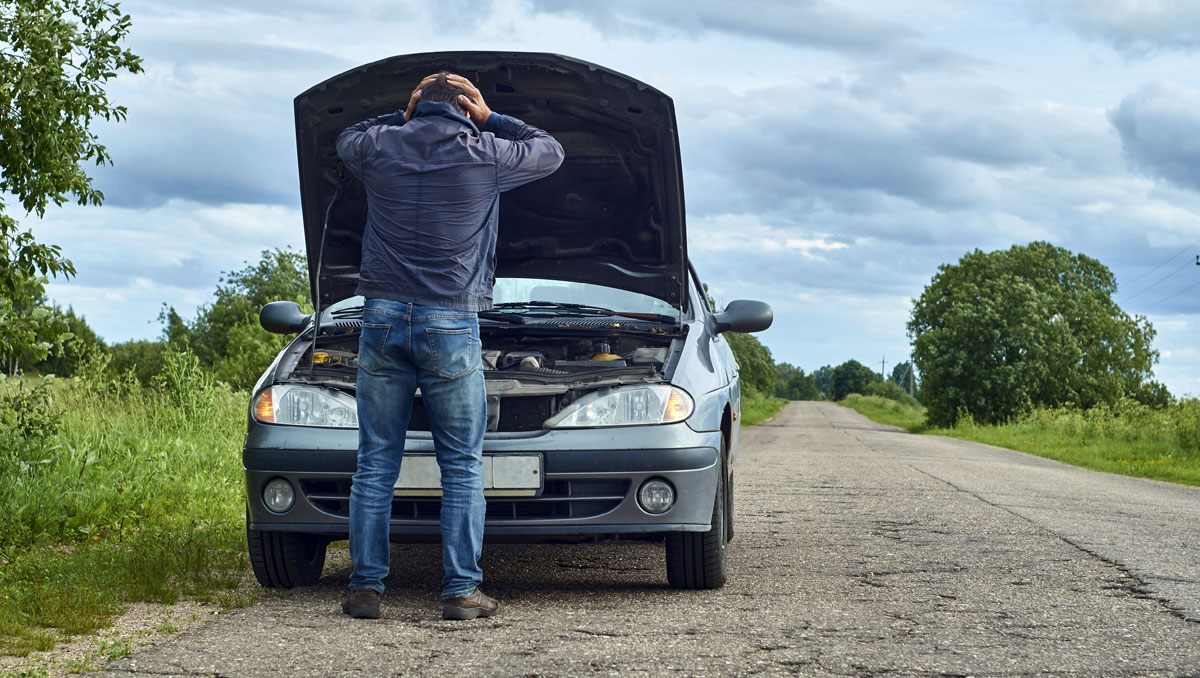
None of us imagined that the road would soon test our courage but just as we approached Jos, the car began to behave strangely. A sound we could not explain. A movement that didn’t feel right. Then suddenly, silence. The car stopped.
At first, we laughed it off, hoping it was something minor. But minutes passed, and it became clear that the car was faulty. The road felt unusually quiet. Vehicles that once passed became fewer until none passed at all. The silence around us grew louder than our words.
My father decided to go back to look for a mechanic. He reassured us and walked away, leaving my mother, my sister, and me inside the car. That was when fear quietly entered as the head of the family and the only man had left us in search of a solution.
Not long after my father left, we noticed a movement. A motorcycle passed by, carrying three men. They were Fulani men. They slowed down, looked around, rode past us and straight into the bush. My heart raced. My mother’s face changed. Without saying much, we began to arrange our belongings properly, holding our bags closer, becoming more alert. It was not hatred that filled us, it was fear of the unknown. We were vulnerable.
READ MORE
•LIFE IN THE NORTH: Beyond the Stereotypes, Debunking the Myths About Northerners
In that moment, everything sounds dangerous, with every movement feeling suspicious. But my mother did not panic. She acted quickly. She picked up her phone and called our in-laws in Jos. Her voice was calm, but firm. She explained the situation and asked them to send another car to come and pick us up.
That phone call brought a small sense of relief. Sometimes, hope comes not as a solution, but as reassurance that help is on the way. Still, the waiting felt endless but help came at last.
Not long after, we saw my father returning. He was not alone. With him was a mechanic and a bike man who had helped him get back to us. The sight of him felt like safety returning in human form.
They examined the car carefully but as against what we prayed for, the car would be towed to a workshop.
But as we were pondering the news delivered to us by the mechanic, our in-laws’ car arrived and that became our saving grace.
We got to Jos later in the day and the family welcomed us warmly and offered us food.
As we ate and rested, the fear of the road slowly faded. Laughter returned. Stories were shared. The night felt peaceful.
Sometimes, safety is not just a place, it is people.
The next day, the wedding went on as planned. Joy filled the air, music played, and smiles replaced worry.
Looking around at the celebration, it was hard to believe that just hours earlier, we had been stranded on a lonely road, unsure of what would happen next.
Life has a way of reminding us that behind every celebration, there are stories of survival that are never told.
The road to Jos gave us more than a wedding memory; it gave us a lesson in patience, courage, and gratitude. Journeys are not just about where we are going, but what we learn along the way.