

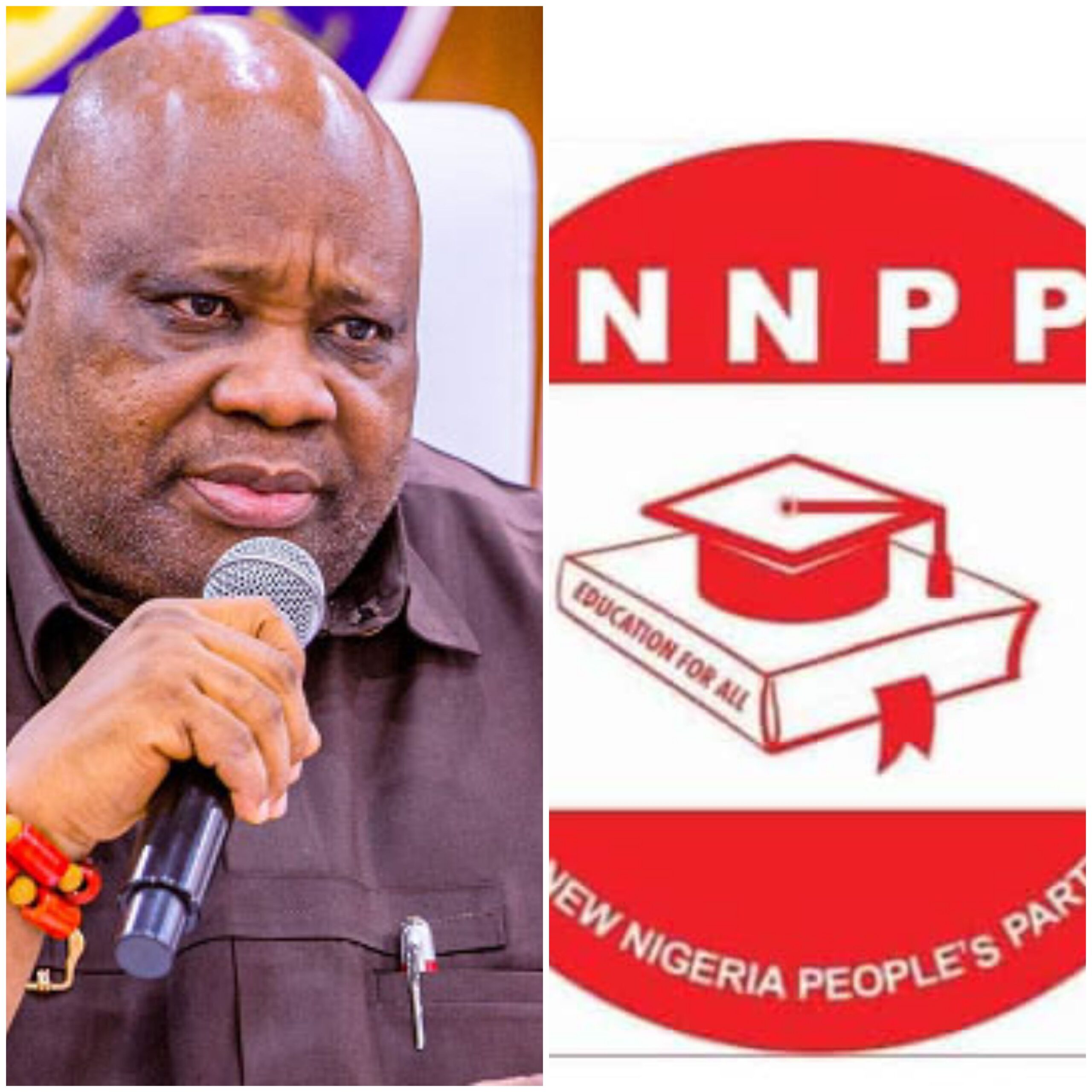
As someone who closely follows Nigerian politics and as an indigene of Osun State, I have always believed that effective leadership combines popularity, strategy, and the ability to connect meaningfully with the people. In the coming days, Governor Ademola Adeleke faces one of the most consequential decisions of his political career: under which platform should he contest the 2026 gubernatorial election?
Governor Adeleke is already on solid ground in Osun. Imole is grounded in the state an undeniable fact that even the opposition acknowledges. Civil servants admire his leadership, communities value his accessibility, and ordinary citizens respect his commitment to service. Historical evidence underscores this point. In 2017, Adeleke contested for the Senate under the PDP platform and won in all nine local government areas of Osun, despite the APC being firmly on the ground. In 2018, he nearly won the gubernatorial election, had it not been for the controversial annulment in nine polling units. He eventually emerged victorious in 2022, again despite APC being the ruling party. These milestones show that Adeleke’s support is deeply rooted and transcends party labels.
Yet, goodwill alone does not win elections. Success requires strategic alliances, inclusive engagement, and the ability to mobilise voters effectively. This is why I am convinced that the New Nigeria Peoples Party (NNPP) offers advantages that Accord cannot provide. Accord, while historically significant in Osun, is not a ruling party anywhere and lacks the national reach, organisational capacity, and political influence needed for a highly competitive election. Staying with Accord risks limiting Adeleke’s appeal to only a segment of the electorate, regardless of his popularity on the ground.
Read more
•Osun NNPP Extends Sales of Guber Election Nomination Form
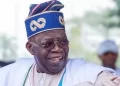
NNPP, under the leadership of Senator Rabiu Kwankwaso, is a different proposition. Kwankwaso commands a loyal following known as Kwankwasiya, and his influence translates into organisation, discipline, and a national network. Even figures like Asiwaju Bola Ahmed Tinubu recognise his political weight, actively seeking his support for the APC. Aligning with NNPP would give Adeleke access to a platform capable of penetrating key communities in Osun, particularly the Hausa and Fulani populations, ensuring these significant groups are effectively engaged and mobilised.
Early voter education and community sensitisation will be crucial. Leveraging NNPP’s structures, Adeleke can extend his reach, converting the goodwill he enjoys among civil servants and local communities into a broader, more inclusive movement. This is not opportunism; it is a strategy rooted in inclusive governance, giving every community a stake in Osun’s future.
Politics, at its core, is about people. Leadership requires pragmatism, foresight, and coalition-building that reflects the diversity of society. In the coming days, Governor Adeleke must make a choice that aligns with these principles. NNPP offers not only a strategic advantage but a people-centred platform capable of transforming popularity into electoral success.
For Osun 2026, the choice is clear. Loyalty to an Accord party that does not rule anywhere and lacks the capacity to mobilise widely cannot guarantee victory.
Leadership demands vision, strategy, and action. In my view, aligning with NNPP is both a pragmatic and people-centred choice, a platform that consolidates Adeleke’s Imole, leverages Kwankwaso’s influence, and strengthens a united Osun.
By Akinbola Pelumi
Public Affairs & Current Affairs Analyst, and an Indigene of Osun